New here? Start with our Train a Custom LoRA for Your AI Influencer — Full Tutorial guide and our Best AI Video Generators for Influencers in 2026 — Honest Comparison deep-dive. If you prefer a tactical comparison, see How to Dub Videos with AI in 2026 — Lip-Synced & Multilingual.
Quick context from AI Video Influencer: For anyone running an AI video influencer, avatar tools are the difference between a still account and one that actually moves the algorithm. The breakdown below focuses on what matters for a digital creator: identity consistency, lip-sync quality, voice cloning support, and how fast you can turn a script into a reel.
Tired of constantly standing in front of the camera? What if your talking head could work without you? It sounds like science fiction, but this is what is happening before our eyes. The “talking head video” format, known in the English world as talking head video, has been one of the simplest and most effective ways of video communication for years. It’s a classic – the host sits or stands in front of the lens and speaks straight to the viewer. No fireworks, the content itself and eye contact. Thanks to this, this form has been reigning supreme in online training, business presentations or YouTube materials for years.
However, the times when the talking head required a professional camera, microphone, lighting, and hours spent in the studio are starting to be a thing of the past. AI technology – and especially tools like HeyGen – are revolutionizing. Now the “talking head” doesn’t have to be yours, it doesn’t have to tire in front of the camera, and it doesn’t even have to exist in reality. You can generate a digital presenter that speaks for you, in your language, with your text, or even in several languages at once.
In this article, we’ll look at the difference between the classic talking head format and the modern HeyGen AI-based approach. You’ll see the advantages and limitations of traditional recordings, as well as how AI is changing the rules of the game – not only in terms of cost and time, but also naturalness, quality, and accessibility.
This list isn’t just a game of comparisons – it’s a look into the future of content creation. Because the question is no longer “is it worth making talking head videos?”, but rather: “do you really have to record it yourself?”.
Traditional video production of talking head – what hurts?
The talking head video format has been considered the easiest way to convey content for years. In practice, however, its implementation can be a real testing ground for challenges. Anyone who has stood in front of a camera at least once knows that recording five minutes of material rarely means five minutes of work. Behind the scenes, there are hours of preparation, expensive technical facilities and a lot of stress.
Hours of preparation and fighting with technology
To make the talking head look professional, it is not enough to place the camera in the corner of the room. You need the right lighting to eliminate dark circles under the eyes and give your face a natural look. On top of that, there is stage makeup, which will hide fatigue and make the face not shine in the spotlight. On top of that, there are rehearsals, focusing and background control – because no one wants a clothes dryer flashing in the background of a talking head.
Acoustics is a separate chapter. In traditional production, it is even necessary to carry out a “mini renovation” – sealing windows, hanging soundproofing panels or recording in a special room. And yet, it often happens that a neighbor’s barking dog or a passing garbage truck enter the recording.
Costs of a traditional talking head video
Professional video production talking head is not cheap. Cameras, microphones, lamps, tripods – these are investments counted in thousands of zlotys. And if you add the hire of a studio and a film crew, the cost increases dramatically. There is a joke in the industry: “1 minute of talking head recording = 1 thousand dollars”. Unfortunately, this is not always an exaggeration. Every correction, additional shot or color correction session increases the price. For companies that want to regularly produce content on YouTube or LinkedIn, this is a considerable financial burden.
Creator fatigue and time pressure
Not everyone is born a TV presenter. Recording a talking head video requires energy, focus and often a lot of doubles. A few hours of talking to the camera is a mental and physical effort that takes a toll on the quality of the content over time. On top of that, there are schedules – you have to coordinate the time of recordings with editing, publication and promotion. The result? Instead of enjoying the creation, the creator often drowns in stress and fatigue.
YouTube vs. reality
YouTube is full of talking head materials. Viewers think it’s the easiest format – it’s just someone talking to the camera. But anyone who has tried it knows how much sweat it takes to get those few minutes of apparent simplicity. That’s why more and more creators and companies are starting to ask the question: do we really have to bother with a camera when artificial intelligence offers simpler and cheaper solutions?
HeyGen AI: the magic that (almost) speaks to you
When the classic talking head video begins to weigh on costs, time and nerves, there is a salvation in the form of artificial intelligence. HeyGen AI is a tool that allows you to create professional talking head content without having to stand in front of the camera, repeat hundreds of doubles and struggle with lighting. All you need is text – the AI will do the rest.
Text turned into video
The basic magic of HeyGen is that you type in the text and the system generates a finished video from it. You no longer have to memorize the script, worry about diction or speaking pace. HeyGen turns ordinary sentences into a video message where your avatar speaks in a natural voice and looks straight at the camera. It’s like having a personal presenter available on call.
An avatar for every occasion
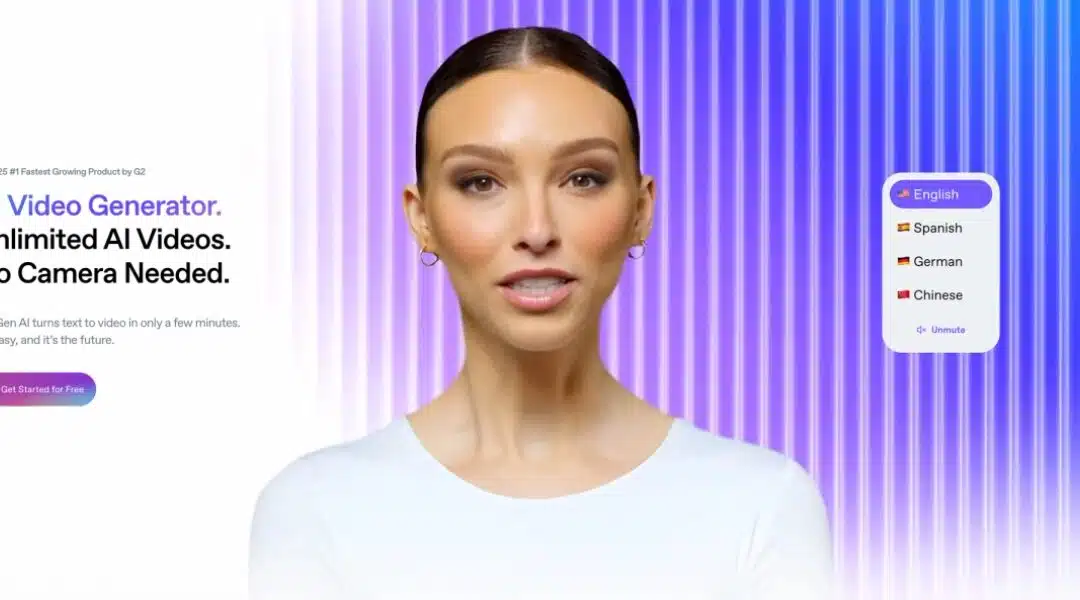
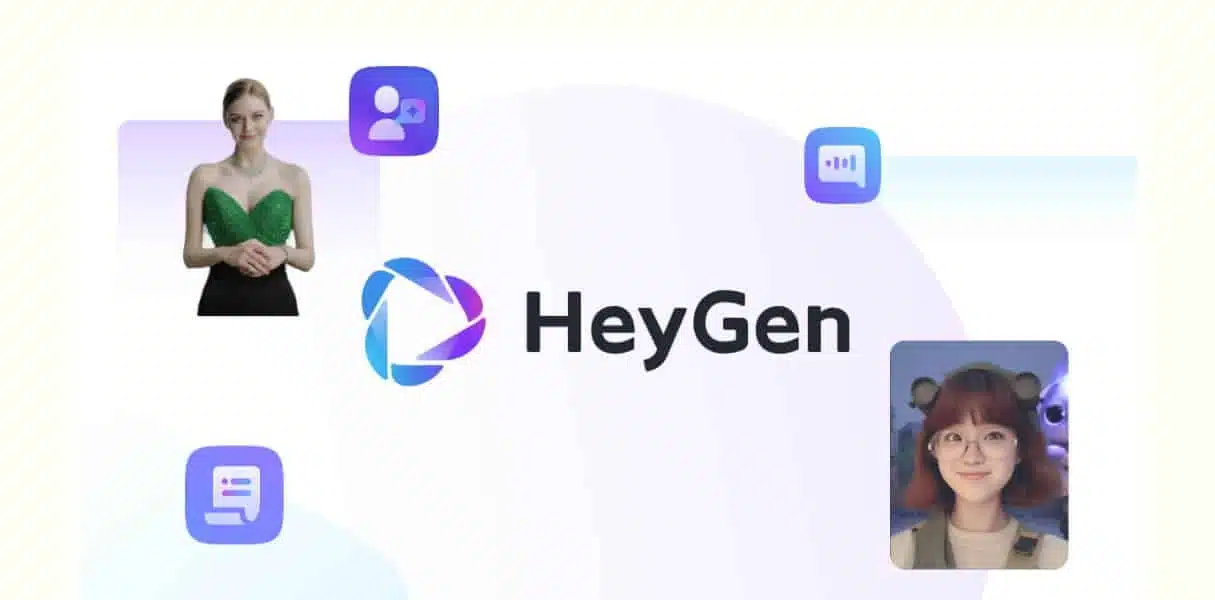
In HeyGen, you can choose from a variety of ready-made characters – from professional presenters in suits, through casual hosts in a casual style, to more creative and unusual characters. An avatar can look like a serious businessman hosting a webinar, a teacher telling a story, or an entertaining vlogger. You can adjust the style, clothing, and gestures to what emotions you want to evoke in the viewer.
Video naturalness that surprises
The most impressive thing is the synchronization of lip movement, facial expressions and gestures. This is no longer a rigid plastic mannequin, but a digital actor who moves and speaks in a surprisingly natural way. HeyGen AI is developing month by month – current models can even handle emotions, voice modulation and small facial expressions that make the viewer forget that they are looking at an avatar and not a living person.
Effortless translation and dubbing
An additional advantage of HeyGen AI is the ability to translate video into multiple languages. The same avatar can speak English, Spanish, or Japanese, and everything sounds natural and consistent. For companies operating internationally, this is a revolution – there is no need to hire voice-overs, editors or create separate versions of the recording. HeyGen will do this automatically, keeping the movement of the mouth aligned with the tongue.
Automation of the entire process
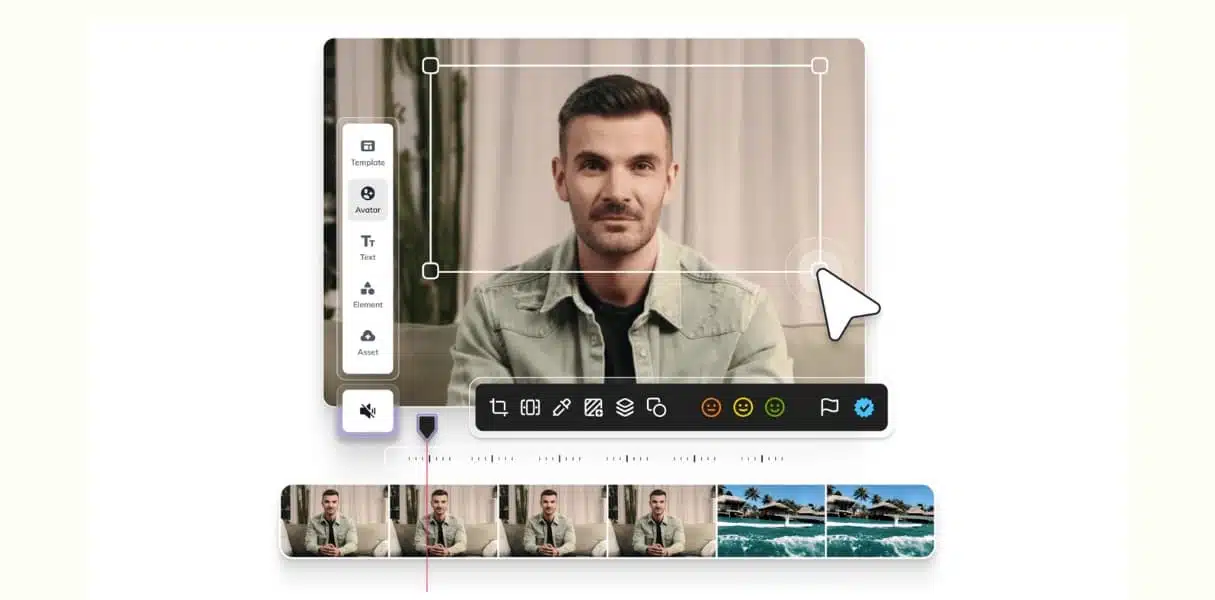
From the idea for the content to the finished video material, the path is shortened to a few minutes. Text → avatar selection → click → finished video. No studio, no hours of editing, no stress. It is this level of automation that makes HeyGen a viable alternative to traditional talking head videos.
What did HeyGen bring to the influencer table?
A few years ago, a talking head video seemed impossible to fake – a camera, a real presenter, natural emotions. Meanwhile, HeyGen AI in 2025 proves that the line between a human and a digital avatar is starting to blur. It’s no longer just a tool for simple recordings, but a full-fledged platform for creating engaging video content that looks like it was taken out of a movie set.
Avatar 3.0 and emotional AI
The biggest breakthrough is the so-called Avatars 3.0, i.e. digital presenters enriched with emotional AI technology. What does this mean in practice? An avatar can not only speak, but also express emotions – modulate the voice, change facial expressions, react with gestures and body movements. No more stiff, plastic faces known from the first versions of talking head AI. Today, an avatar can be serious during a business presentation, energetic in an advertising spot or full of warmth when explaining complex educational issues. It is authenticity that translates into greater trust and engagement of the viewer.
Localization in 175 languages
Another strong advantage of HeyGen is the support for as many as 175 languages and dialects, with automatic selection of length and synchronization. In practice, this means that a single recording of a talking head can be turned into a professional video in Chinese, Spanish, German or Arabic in a few minutes – and the movement of the mouth and the pace of speaking are matched to the natural speech in the respective language. It’s a huge change for companies and creators operating globally: one material – the whole world of audiences.
90% cheaper and faster production
Traditional video production of a talking head could cost a fortune, especially if you had to prepare versions in multiple languages. HeyGen solves this problem by drastically reducing costs. Industry estimates speak of up to 90% savings compared to the classic recording and localization process. What used to take weeks and consumed marketing budgets, today can be done in a few hours and a fraction of the price.
Disadvantages of Traditional Talking Head Video
Although the talking head video format seems simple, its implementation in a classic shot has a lot of disadvantages. First of all, it requires a lot of preparation – from make-up and light settings, through acoustic control, to hours of installation. Costs are growing rapidly: a professional camera, microphone, renting a studio and a film crew make a minute of recording cost hundreds or even thousands of zlotys. Added to this is the filmmaker’s fatigue, time pressure and stress related to subsequent doubles. The end result can be good, but it comes at a lot of nerves and money.
What can HeyGen AI do?
This is where artificial intelligence comes in. HeyGen AI is a game-changer and makes talking head video possible without cameras, a studio and long preparations. The platform offers digital presenters who look and sound like real people, and the entire process from idea to finished video is reduced to a few minutes.
Naturalness of facial expressions and voice
Thanks to emotional AI technology, the avatar not only speaks, but also expresses emotions. Facial expressions, mouth movement, and tone of voice are synchronized, giving the recipient the impression that they are talking to a real person. That’s no more plastic characters – HeyGen gives the effect of a professional presenter that engages and attracts attention.
Multilingualism and localization
With a single click, you can generate the same talking head video in multiple languages – with a natural match between your mouth movement and your pace. HeyGen supports over 175 languages, which opens the door for creators and companies to global markets without the need to hire translators and voice-overs.
Save time and budget
A production that traditionally took weeks and cost a fortune can now be made in an hour and a fraction of the price. HeyGen allows you to reduce production costs by up to 90% compared to classic talking head video recording. This is a huge advantage for brands that want to publish professional content regularly without breaking their marketing budget.
How to get started with HeyGen: concrete steps
Entering the world of HeyGen AI requires neither film experience nor technical knowledge. It’s a process that feels more like operating a simple text editor than a film production. Each step is designed to make creating a professional talking head video fast, intuitive, and accessible to everyone.
Registration on the platform
The first stage is to create an account on the HeyGen website. With just a few clicks, you get access to the full avatar library and a panel where you can create and edit your video. This is where the fun begins – without additional equipment and long configurations.
Presenter selection
HeyGen offers a wide range of pre-made characters. You can choose a business presenter in a suit, a casual presenter in a casual style, or an educational avatar, perfect for online courses. Each avatar differs not only in appearance, but also in the way it gestures and behaves, which allows you to match the character of your brand and message.
Add text
Then you paste the prepared script. HeyGen converts it into a voice-over speech, taking care of the right tempo, intonation and synchronization of lip movement. You don’t have to worry about diction or forgetting words – the avatar will say everything exactly as it was written in the text.
Language selection
This is the moment when HeyGen shows its true power. You can generate the same material in 175 languages and dialects, and the platform will automatically adjust your mouth movement and speech length to suit your specific language. This makes one recording a global marketing or educational material.
Video generation
The last step is to click on the “Create” button. In a few minutes, the system creates a ready-made talking head video that you can download and immediately upload to your website, social media, YouTube or business presentation. A process that used to take weeks and required the support of the entire film crew, today consists of several minutes of work at a computer.
HeyGen AI makes talking head video accessible to everyone – from solo creators to global brands. You don’t have to invest in cameras, microphones and studios to get a result that looks like a professional TV production.
Why is HeyGen better than the competition?
The market for AI video creation tools is growing rapidly. There are various platforms that promise fast and cheap productions, but in practice, few of them can match HeyGen. It is this application that has become the number one in the talking head video category, because it combines simplicity of use, naturalness of effects and business scalability.
1. Naturalness that doesn’t sting the eyes
Many competing tools give the effect of a “plastic doll” – the avatar speaks, but the facial expressions are artificial, and the movement of the mouth does not quite match the sound. HeyGen has been investing in the development of emotional AI for years, thanks to which faces present emotions, the tone of voice is modulated, and the whole thing resembles a real conversation, not a generated animation.
2. Support 175 languages with matched synchronization
The competition often stops at a dozen or several dozen languages. HeyGen goes further – it offers 175 languages and dialects, and more importantly: the system adjusts the length of speech and the movement of the mouth to a given language. This makes the video translation not look like a poor dubbing, but like the original recording.
3. Wide Avatar Library and Customization
While other platforms give a limited number of models, HeyGen offers an extensive library of characters – from business presenters to educators to casual lifestyle characters. Plus, you can create your own personalized avatars that perfectly replicate the appearance of a team member or creator.
4. Full automation and speed of operation
In competitive solutions, video preparation can be time-consuming – especially when generating multiple language versions. HeyGen shortens this process to a minimum. All you need is text, avatar and language selection – in a few minutes you get a ready-made video that you can publish immediately on your website, in social media or in advertising campaigns.
5. Real savings in the budget
Competing tools can be cheaper on a subscription, but often limit video quality or require additional editing or translation tools. HeyGen brings everything together in one place and allows you to reduce production costs by up to 90% compared to traditional recording. This makes it not only better, but also more profitable in terms of business.
6. Stability and development
HeyGen is not a startup that may disappear tomorrow. This tool is constantly developing features, adding new avatar models, and improving the quality of generations. This ensures that users are confident that their video will be in line with the latest trends and technological standards.
The talking head video format has been the foundation of video communication for years – simple, effective, but also expensive and demanding. Traditional talking head production meant hours of preparation, high expenses and the stress of recording. Today, thanks to HeyGen AI , this scheme ceases to apply.
Modern avatars 3.0 with emotional AI technology can convey emotions and sound natural. Support for 175 languages allows you to reach a global audience with a single click, and automation of the entire process reduces costs by up to 90%. It’s not just a money and time saver – it’s a real change in how brands and creators can create and scale video content.
SEO additionally enhances the effects – properly optimized talking head videos generated in HeyGen work for visibility in Google and YouTube. Viewers get an authentic message, and you get a competitive advantage.
The future of talking head video is already here. The question is not “is HeyGen worth trying?”, but rather “how much do you lose if you continue to do everything the old way?”.
What you should know about Talking Head Videos with HeyGen AI
Talking Head Videos with HeyGen AI sits within the broader space of AI video generation, a category that has become essential for creators, marketers, and small businesses that need to publish high-quality content at speed. Whether you are building an AI influencer brand, scaling a content studio, or simply trying to keep up with platform algorithms, picking the right ai video generation workflow can save dozens of hours per week and meaningfully change how your content performs.
On this page we go beyond a one-line description and walk through what Talking Head Videos with HeyGen AI is best at, how it compares to alternatives, the typical results creators are seeing in 2026, and the pitfalls that experienced users tell us to avoid. The goal is to help you decide — quickly and confidently — whether this is the right tool to add to your stack right now or whether a different option in our AI Tools Directory may fit your use case better.
Who is Talking Head Videos with HeyGen AI actually built for?
The honest answer is that most ai video generation tools today are marketed to “everyone”, but in practice they tend to serve a few clearly defined creator profiles much better than others. Based on our own testing and on community feedback inside the AI Video Influencer Discord and our reader surveys, Talking Head Videos with HeyGen AI is a strong fit if you regularly produce short-form social videos for TikTok and Reels, YouTube content, ad creatives, product demos, storytelling clips, if you publish more than a few pieces of content per week, and if you value iteration speed over absolute pixel-perfect control. Solo creators, lean marketing teams, e‑commerce brands, and AI influencer operators are the four groups that consistently get the most out of this category in 2026.
If your workflow involves long-form cinematic projects, broadcast-grade output, or strict brand-safety pipelines, you may still want to pair Talking Head Videos with HeyGen AI with a more traditional production tool. We cover those hybrid workflows in our deeper guides about creating an AI influencer and our complete AI tools breakdown.
Strengths, limits, and how it compares
The biggest strength of Talking Head Videos with HeyGen AI — and of modern ai video generation tools in general — is the speed at which a single creator can now ship work that would have required a small agency just two years ago. The most common limits are around fine creative control, consistency across a series of assets, and the learning curve of prompt design. Most users hit a productivity plateau in the first two weeks, and breaking past that plateau usually comes from studying prompt patterns, reusing presets, and building a small internal “style library” of prompts and reference images that you can call on quickly.
When comparing tools in this category we focus on five concrete dimensions: output quality, generation speed, pricing per finished asset, integrations with the rest of a creator workflow, and how transparent the company is about training data and commercial usage rights. Talking Head Videos with HeyGen AI performs differently on each of these axes, which is why a side-by-side comparison is far more useful than a single star rating. You can use our tools directory to compare across the full landscape.
Frequently asked questions
Is Talking Head Videos with HeyGen AI good for beginners?
Yes — most ai video generation tools in 2026 are deliberately designed with a low entry barrier. You can usually get a usable first result within a few minutes, and most platforms now include templates, sample prompts, and tutorials that shorten the learning curve. The real beginner challenge is not the tool itself; it is learning to write prompts that consistently produce the look and feel you want.
Can I use the output commercially?
It depends on the plan you are on. Free tiers almost always restrict commercial use, and even paid plans often have conditions around training data, attribution, or platform-specific rules. Always re-read the latest terms before you ship a campaign, especially if you are running paid social ads or selling physical products that feature the generated content.
How does Talking Head Videos with HeyGen AI compare to free alternatives?
Free tools have improved enormously and can absolutely cover basic use cases. The trade-offs typically show up in three places: output resolution, queue waiting times during peak hours, and the ability to use the result commercially. For occasional personal projects, free is often fine. For anything client-facing, brand-critical, or part of a paid funnel, a paid plan is usually the cheaper choice once you factor in your own time.
Do I need any technical skills?
No formal technical background is required. Comfort with experimenting, reading short documentation pages, and treating prompts as a small craft will take you most of the way. If you want to push into more advanced territory — fine-tuning, LoRA training, API integrations — that is when a developer mindset starts to pay off, but it is not a prerequisite to getting professional-looking work.
What to read next
If Talking Head Videos with HeyGen AI sounds like a fit, the natural next step is to combine it with the rest of your AI stack so you are not jumping between dozens of single-purpose tools. We strongly recommend starting from our free AI tools for influencers guide, then layering paid options where the time savings clearly justify the cost. Creators who treat their stack as a system — rather than a collection of one-off tools — tend to be the ones who scale most predictably in 2026.
You can also explore deeper category guides on AI video generators, AI image generators, AI voice tools, and AI transcription. Each guide includes our updated 2026 picks, pricing notes, and the workflow we recommend depending on whether you are a solo creator, agency, or in-house team.